Air Fryer Oil Guide: How Much, Which Oils, and Breading Tips
How much oil to use in an air fryer, which oils hold up to high heat, and how to make breading actually stick and crisp without deep frying.
Why oil still matters in an air fryer
Marketing copy loves “zero-oil cooking,” but in practice a thin film of oil makes the difference between pale, dry food and properly browned, crisp food. Oil conducts heat from the moving air into the surface of the food and provides the medium in which Maillard browning happens. A teaspoon or two spread thin is enough — the air fryer isn’t doing deep frying, so the oil amounts are dramatically lower than stovetop methods.
How much oil, practically
For a basket of fresh vegetables, one teaspoon tossed thoroughly through 400 g of produce is usually enough. For breaded items, a light spritz on both sides replaces the role of the fryer oil bath. For raw proteins (chicken thighs, pork chops), rendered fat is often enough once they start cooking — a small amount on the skin to start is plenty.
Which oils handle the heat
- Avocado oil: smoke point ~260 °C. Neutral, holds up to anything the air fryer can produce.
- Refined sunflower or rapeseed: smoke point 220–230 °C. Reliable workhorses.
- Peanut oil: smoke point ~230 °C. Subtle flavor, excellent for fried-style textures.
- Refined olive oil: smoke point ~240 °C. Not the same as extra virgin.
- Extra virgin olive oil: smoke point ~190 °C. Fine at 180–190 °C, smokes above.
- Butter: burns fast. Brush on at the end, not at the start.
The aerosol spray problem
Most aerosol cooking sprays contain propellants and additives that degrade non-stick coatings over time. The coating starts peeling after a few months of use, and once that happens the basket is effectively ruined. Use a pump-style oil mister or brush instead. A refillable spray bottle with your chosen oil is cheap, lasts forever, and doesn’t destroy the basket.
Breading that actually sticks
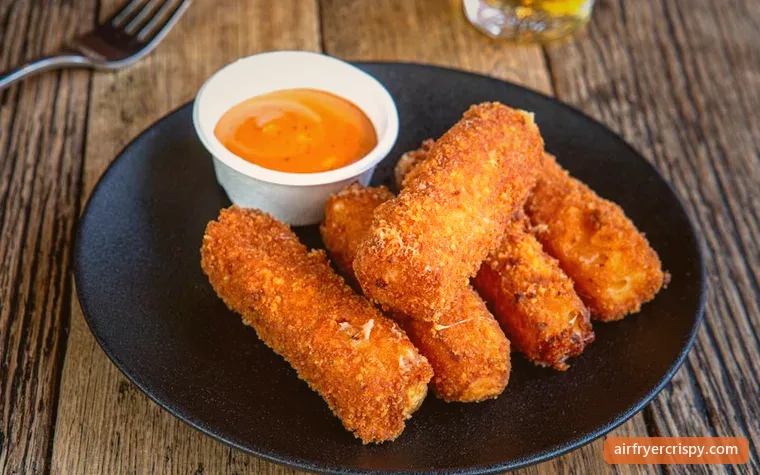
The classic three-stage breading works in the air fryer too: flour, egg, breadcrumbs. Pat the protein dry first. Press the breadcrumbs firmly, let the breaded item rest on a rack for 10 minutes before cooking — this lets the coating bond to the surface. Then spritz both sides with oil before the basket goes in.
Panko vs regular breadcrumbs
Panko crisps noticeably better than regular breadcrumbs in the air fryer because the larger, shard-like crumbs trap air and brown more evenly. Fine crumbs can go gummy. Mix half panko, half regular if you want some of both textures.
Glazes and sauces
Anything sugary — barbecue sauce, honey, teriyaki — burns at air-fryer temperatures. Brush glazes on in the last 2–3 minutes, or after cooking. Savory pan sauces usually work better added after the food comes out of the basket.
Common mistakes
- Drowning food in oil: excess oil pools at the bottom, smokes, and prevents crisping.
- Using extra virgin olive oil at 200 °C: produces acrid smoke and bitter flavor.
- Aerosol cooking spray: ruins the non-stick coating over months.
- Skipping the rest step on breaded items: breading falls off mid-cook.
- Sauce on at the start: sugary sauces burn before food is cooked through.